Zusman Leadership Team
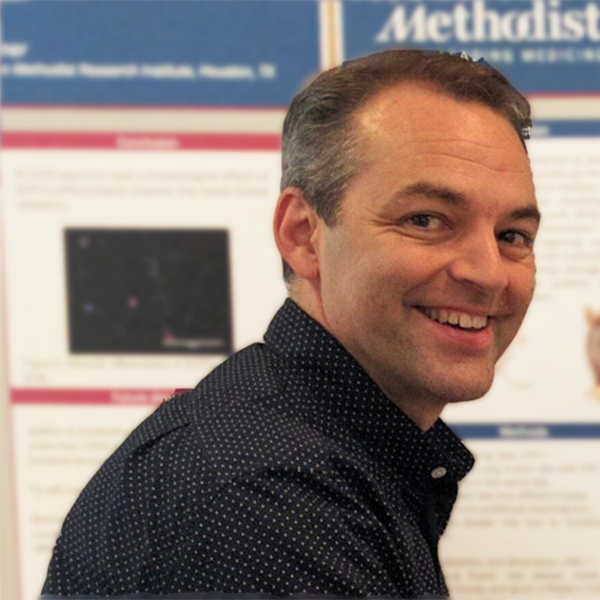
Dr. Horner received a PhD in physiology from Ohio State University in 1995. He performed his postdoctoral training with Dr. Fred H. Gage and became a staff scientist in the Lab of Genetics at the Salk Institute in 1998. In 2001, Dr. Horner joined the faculty of the Department of Neurological Surgery at the University of Washington in Seattle. He directed a laboratory at the UW South Lake Union Campus and was a member of the Institute for Stem Cell and Regenerative Medicine. In 2015, Dr. Horner became the scientific director of the Center for Neuroregeneration and the co-director of the Center for Regenerative and Restorative Neurosurgery at the Houston Methodist Research Institute. He also holds a faculty position at the Weill Cornell Medical College, New York. Dr. Horner’s research focuses on the role of glial and neural progenitor cells in the regeneration of the injured and aging nervous system.
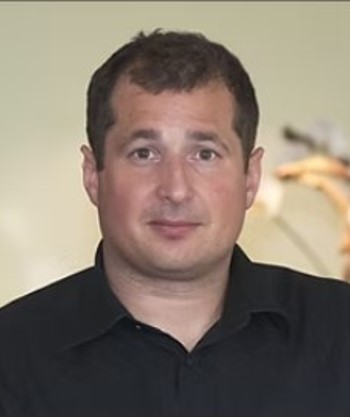
Dr. Fouad is a renowned neuroscientist with an academic career spanning over two decades. He has been a Full Professor at the University of Alberta since 2008, where he previously held positions as an Associate Professor and Assistant Professor, each as an Alberta Heritage Foundation Scholar. Currently he is also serving as the Co-Director and Editor for the Open Data Commons for Spinal Cord Injury and is also a Tier 1 Canada Research Chair for Spinal Cord Injury. Before joining the University of Alberta, he obtained his PhD in Neuroscience from the University of Konstanz in Germany and served as a Post-Doctoral Researcher at the Brain Research Institute at the University and ETH Zürich, and at Ben-Gurion University in Israel. With his worldwide collaborations, Dr. Fouad has made significant contributions to the study of spinal cord injury and rehabilitation, with a specific focus on the role of neuroplasticity in functional recovery.
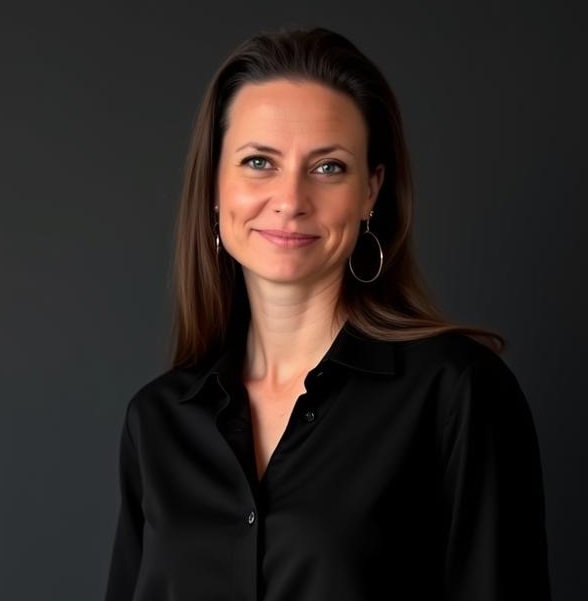
Erica Dale is an Assistant Professor in the College of Medicine at the University of Florida. Her research interests involve understanding mechanisms of spinal learning in the context of breathing function. Within the respiratory neural control network there are several known spinal mechanisms underlying plasticity and they all lead to a long-lasting increase in phrenic motor output, a direct correlation to contraction of the diaphragm and, thus, breathing. A large portion of her current research focus is aimed towards activating phrenic motor networks via electrical spinal cord stimulation to enable functional recovery of breathing after upper cervical spinal cord injury in rodents. Recently published work utilizing this model in a closed-loop stimulation paradigm has shown promise for eliciting plasticity within the respiratory motor network. Erica is also passionate about making positive change in world and, beyond her research goals, she has held several academic leadership positions and makes annual trips to The US Congress on Capitol Hill to advocate for science.